

Choosing the right jewelry pouch manufacturer is not only about finding an attractive design or the lowest unit price. For jewelry brands, packaging is part of the customer experience. A well-made pouch can help separate jewelry from other items, support brand presentation, and create a professional unboxing moment.
In custom jewelry packaging projects, successful bulk production depends on clear specifications, reliable communication, and consistent manufacturing standards. Before placing a bulk order, brands should evaluate more than a sample. Important factors include material selection, construction quality, customization capability, production planning, quality control, and after-sales support.
The goal is simple: transform a creative packaging idea into a production specification that both the brand and manufacturer can clearly understand and inspect.
The Key Checks Before Ordering Custom Jewelry Pouches
| Check | What Brands Should Confirm | What to Request |
|---|---|---|
| Material | Fabric type, thickness, color, lining, hand feel, and jewelry compatibility | Material swatches and a production-representative sample |
| Construction | Finished size, stitching, closure, usable internal space, and durability | Dimensioned drawing and sample photos |
| Customization | Logo method, logo position, color accuracy, and artwork requirements | Logo proof or pre-production sample |
| Pricing | MOQ, setup costs, packing, and shipping terms | Itemized quotation |
| Production | Sampling time, bulk lead time, inspection schedule, and dispatch date | Written production timeline |
| Quality control | Inspection standards, defect definitions, and acceptance criteria | QC checklist and inspection report |
| After-sales | Replacement, rework, credit, shortage, or claim procedures | Written agreement |
These elements are connected. For example, changing the fabric may affect logo printing results. Adding a divider may change the pouch size and production cost. A professional jewelry pouch manufacturer should help brands evaluate these details before mass production begins.
1. Choose the Right Material for Your Jewelry Pouch
Material selection directly affects the appearance, durability, and customer experience of a jewelry pouch.
Different materials create different brand impressions:
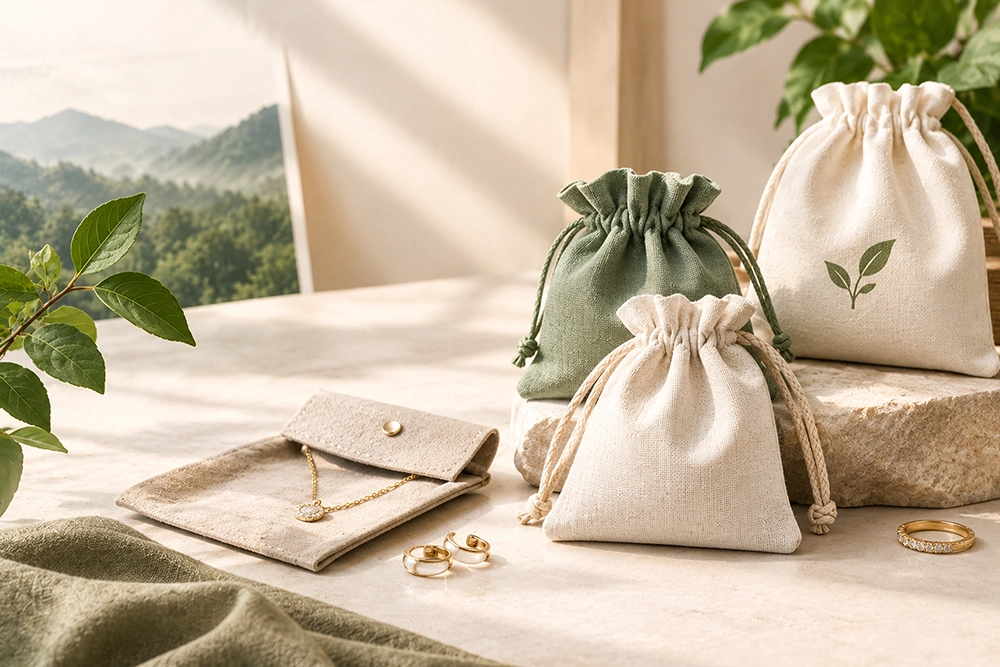
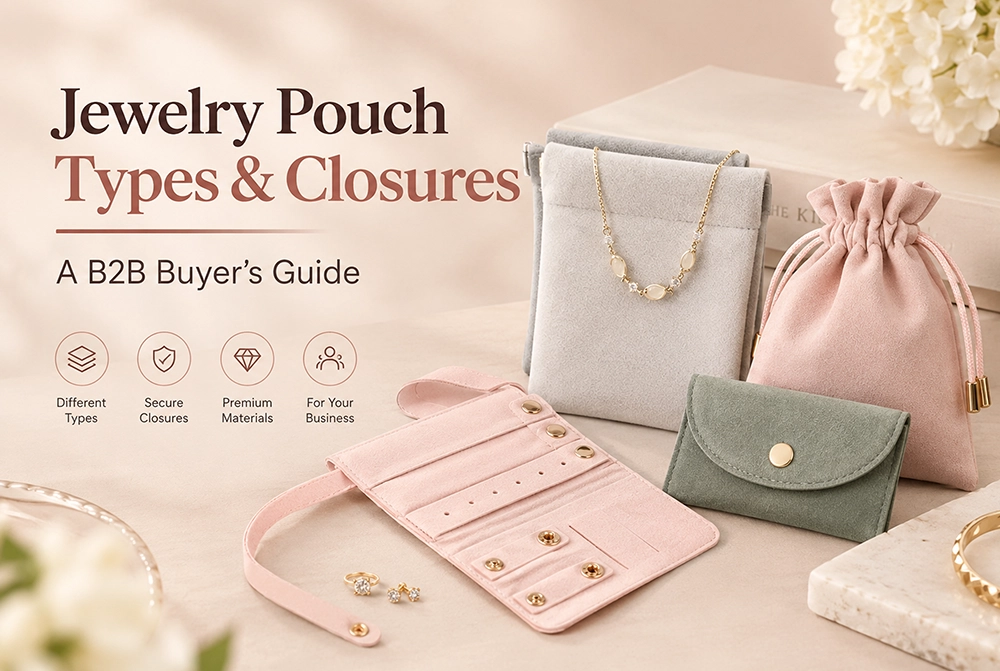
- Velvet jewelry pouches create a soft, traditional presentation.
- A custom microfiber jewelry pouch provides a smooth surface suited to compact branded packaging.
- Satin jewelry pouches offer a lightweight appearance with a visible sheen.
- Cotton canvas jewelry pouches create a natural, casual, or craft-led impression.
- Leatherette pouch can provide a more structured look for travel-oriented or presentation-led formats.
However, appearance is only one factor. Brands should also consider:
- surface durability
- color consistency and possible dye transfer
- lint or fiber shedding
- odor
- stitching performance
- logo compatibility
- jewelry protection during storage and shipping
A reliable jewelry pouch manufacturer should help brands compare these factors against the jewelry type, target market, packing workflow, and budget.
Material Comparison
| Material | Common Application | What to Check |
|---|---|---|
| Velvet | Rings, earrings, and soft luxury presentation | Surface quality, shedding, pressure marks, and color consistency |
| Microfiber | Premium-looking pouches and custom shapes | Hand feel, surface marking, durability, and logo performance |
| Satin | Gift packaging and lightweight pouches | Wrinkling, snagging, seam quality, and logo adhesion |
| Cotton canvas | Natural-looking and casual packaging | Weave consistency, shrinkage, and dye transfer |
| Leatherette | Structured or travel-oriented packaging | Surface durability, odor, and folding performance |
Material softness alone does not prove anti-tarnish performance. The Canadian Conservation Institute explains that silver tarnish is associated with sulfur-containing gases and that some storage materials can contribute to corrosion. Brands making an anti-tarnish claim should therefore request product-specific lining information and supporting test evidence rather than relying on the fabric name alone. See the institute’s guidance on the care and storage of silver.
Test the Pouch With the Actual Jewelry
A jewelry pouch should not be approved only by appearance.
Brands should test the pouch with real products, including:
- rings
- earrings
- bracelets
- necklaces
- pendants
Check:
- Is the opening large enough for efficient packing?
- Does the closure touch or catch delicate jewelry?
- Can chains become tangled or migrate into a seam?
- Does the jewelry fit securely inside?
- Is the logo still visible after filling?
- Does the pouch fit the final box, retail bag, or shipping packaging?
For brands offering multiple jewelry categories, test the largest or most complicated product before bulk production.
2. Turn Customization Ideas Into Production Specifications
Many brands start with a simple request: “Custom color with our logo.”
Professional production requires more detail. A complete custom jewelry pouch specification should include:
- finished pouch dimensions and tolerances
- material type or approved swatch
- fabric color reference
- inner lining requirements
- closure style
- logo method
- logo size and position
- quantity by design and color
- individual packing requirements
Common logo techniques include:
- screen printing
- hot stamping
- embroidery
- woven labels
- debossing
- embossing
The most suitable method depends on the pouch material, logo detail, order quantity, and desired appearance. Brands that need help translating artwork into a production-ready format can discuss structure, materials, and finishing through Packgenio’s custom packaging development service. Brands comparing these options can also review our guide to custom jewelry pouches with logo for practical considerations around logo methods, artwork, sizing, and production samples.
Approve Physical Samples Before Bulk Production
A digital design preview cannot always show the final result. Different fabrics can affect:
- logo sharpness
- color appearance
- printing coverage
- embossing depth
- surface texture
For custom jewelry pouches, brands should approve:
- a production-representative sample
- a logo test on the intended material
- or a physical approval sample that documents any difference from final production
This sample should become the quality reference for bulk production. The approval record should identify the material, dimensions, color, logo method, logo position, packing method, and date.
Packgenio can review material, color, logo, and construction requirements during sampling. The exact sample cost, timing, and process should be confirmed in the written quotation for each project.
3. Compare MOQ and Pricing Based on the Same Specification
MOQ is one of the most important factors when selecting a jewelry pouch supplier. However, MOQ is not always a single number.
It may depend on:
- Jewelry pouch material
- color
- customize pouch size
- logo method
- production process
- packing requirements
For example, an order of 1,000 pieces in one color may have a different production requirement from 1,000 pieces divided across five colors.
When comparing suppliers, brands should request a complete quotation including:
- pouch unit price
- sample cost
- logo setup fee
- special material cost
- individual packing
- inspection requirements
- shipping terms and agreed Incoterm
The lowest price is not always the best choice. A cheaper pouch may create additional costs through rework, delayed launches, rejected units, inconsistent quality, or extra communication time.
For growing jewelry brands, a supplier that can reproduce the approved specification consistently may reduce the total project cost even when its headline unit price is not the lowest.
4. Build a Realistic Production Timeline
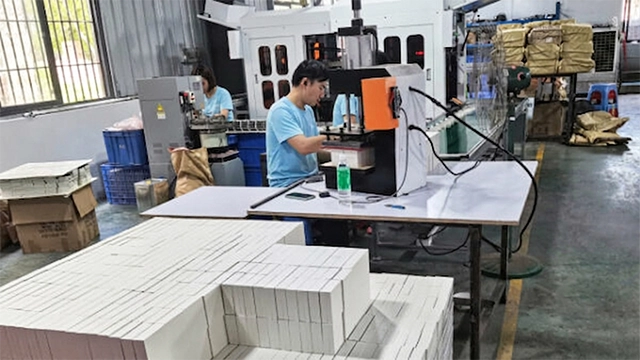
A professional jewelry pouch manufacturer should provide more than a single production lead-time estimate. A reliable schedule should include every important step from design confirmation to final delivery.
A complete production timeline usually includes:
- Product specification and artwork confirmation
- Material preparation
- Prototype or sample development
- Brand review and approval
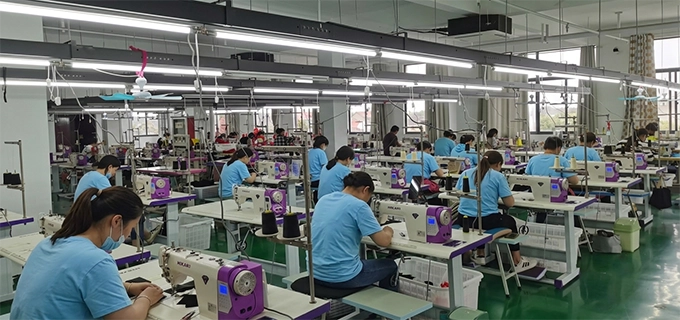
- Bulk production
- Quality inspection and any required rework
- Packing and shipment arrangement
- Transit, customs clearance, and final delivery
Many delays happen because important details are not confirmed early enough. For example:
- A logo position change after production starts may require new setup work.
- A color adjustment may require new material preparation.
- A packing change may affect carton dimensions, cost, and the delivery schedule.
Before placing a bulk order, brands should confirm:
- when production officially starts
- which approval steps are required
- how changes after approval will be handled
- when pre-shipment inspection will take place
- the expected dispatch date and shipping method
A good supplier should communicate foreseeable risks before they become production problems.
5. Define Quality Standards Before Mass Production
“High quality” means different things to different brands. A professional jewelry pouch manufacturer should define measurable quality requirements before production, including:
- material requirements
- finished-size tolerances
- stitching standards
- logo quality
- color consistency
- packing requirements
- defect classifications
- inspection criteria
Common Jewelry Pouch Quality Checks
Material Inspection
Check:
- fabric color consistency
- surface condition
- thickness and texture
- odor
- compatibility with the jewelry
Sewing Inspection
Check:
- stitching strength
- seam alignment
- loose threads
- uneven sewing
- closure attachment
Logo Inspection
Check:
- logo position
- printing clarity
- color accuracy
- embossing or stamping quality
Packing Inspection
Check:
- correct quantity and SKU
- individual packing
- carton strength and labeling
- protection from moisture during storage and transit
For bulk-lot inspection, brands may use a documented acceptance-sampling plan rather than an undefined “random check.” ISO 2859-1:2026 defines AQL-indexed sampling schemes for lot-by-lot inspection by attributes. The buyer and supplier still need to agree on defect classes, inspection level, acceptance criteria, and the version of the standard used.
Inspection records and production photos are useful only when they are tied to the actual purchase order, SKU, lot size, and inspection date. For Packgenio projects, the approved sample and written specification should be the reference for checking materials, workmanship, logo details, and packing requirements before shipment.
6. Verify Your Jewelry Packaging Supplier Before Ordering
A professional website does not always represent actual manufacturing capability. Before selecting a jewelry pouch supplier, brands should evaluate the following areas.
Production Capability
Confirm:
- Can the supplier support the required quantity and production window?
- Can it handle the intended material and logo method?
- Has it produced a comparable pouch structure before?
Communication Ability
Look for:
- clear, itemized quotations
- documented specifications
- approval records
- production updates
- practical responses when a requirement changes
Sample Quality
Evaluate:
- material accuracy
- construction and workmanship
- logo execution
- fit with the actual jewelry
- individual and export packing details
Choosing a supplier is not only about the first product. It is about finding a partner that can support repeat orders without losing control of color, dimensions, workmanship, or delivery requirements.
7. Why Work With a Professional Custom Jewelry Packaging Supplier?
For growing jewelry brands, packaging development often requires more than producing a simple pouch.
Material Selection
Different jewelry collections require different packaging styles. For example:
- Velvet or microfiber may suit a soft, premium-looking presentation.
- Cotton or canvas may suit a more natural or craft-led visual direction.
- Structured pouches may be useful when the customer is expected to reuse the packaging for travel or storage.
These are design starting points, not fixed rules. The final choice should be tested against the product, fulfillment process, target price, and brand positioning.
Custom Design Support
A reliable supplier should help brands develop:
- custom sizes
- controlled color references
- logo applications
- special closures
- matching packaging sets
Production Management
A professional supplier coordinates:
- material sourcing
- sampling and approvals
- production scheduling
- quality inspection
- final packing
Keeping these decisions in one documented workflow reduces version confusion and helps the brand identify responsibility when a requirement changes.
How Packgenio Supports Jewelry Brands With Custom Pouch Production
Packgenio lists custom jewelry pouch options for brands that need personalized packaging across different materials, colors, sizes, and logo treatments.
Custom Materials
Current Packgenio product pages include pouch options in:
- microfiber
- velvet
- satin
- cotton canvas
- other materials subject to project confirmation
Brands should select materials according to the desired appearance, jewelry fit, budget, handling requirements, and supporting documentation.
Custom Logo Solutions
Packgenio product listings show logo options such as screen printing, embossing, and hot stamping on selected pouch designs. The suitable process must be confirmed against the exact material, artwork complexity, color, and quantity.
Custom Sizes and Designs
Depending on the chosen construction, a project may involve:
- custom pouch dimensions
- closure styles
- internal dividers or retention features
- color combinations
- individual packing details
Support From Sample to Bulk Production
A controlled custom-pouch workflow should include:
- Understanding the brand and product requirements
- Confirming the material and specification
- Developing and reviewing a sample
- Recording approved adjustments
- Starting bulk production after approval
- Inspecting the production lot before shipment
The exact Packgenio MOQ, sampling terms, production schedule, inspection plan, and after-sales terms should be confirmed in the project quotation and order agreement.
Choosing the Right Supplier for Different Brand Stages
Startups and New Jewelry Brands
New brands usually need flexibility and controlled investment. Important factors include:
- a practical MOQ
- a clear sampling process
- itemized setup costs
- reliable communication
- a design that can be reordered without unnecessary complexity
A development-focused supplier can help a startup reduce specification errors, but the brand should still confirm every commercial term in writing.
Growing Ecommerce Brands
Growing brands usually focus on:
- consistent quality across reorders
- stable delivery schedules
- carton and SKU organization
- coordination with boxes, cards, bags, or shipping packaging
The ideal supplier should maintain an approved reference and explain what may vary between production lots.
Premium and Luxury Jewelry Brands
Premium brands usually pay more attention to:
- material quality and hand feel
- logo finishing
- stitching details
- color accuracy
- how the filled pouch presents the jewelry
For premium packaging, small details influence customer perception. Physical sample approval is more reliable than approving from a rendering alone.
Sustainability-Focused Brands
Brands with sustainability goals should ask specific questions:
- What is the complete material composition?
- Is claimed recycled content verified?
- Which organization issued the certificate, and what product or site does it cover?
- How should the packaging be disposed of in the target market?
The US Federal Trade Commission advises marketers not to use broad, unqualified claims such as “green” or “eco-friendly” and recommends clear, specific qualifications for environmental benefits. Brands can review the FTC Green Guides summary and verify FSC certificate holders through the official FSC certificate search. These sources do not prove that a particular pouch is sustainable; they help buyers evaluate the evidence behind a supplier’s claim.
Final Bulk Order Checklist
Before approving production, confirm:
- Finished pouch dimensions and tolerances
- Approved material sample
- Confirmed pouch color and lining
- Tested fit with actual jewelry products
- Approved logo artwork and placement
- Confirmed MOQ and itemized pricing
- Agreed production and shipping timeline
- Defined defect classes and inspection criteria
- Confirmed individual and export packing requirements
- Written after-sales and claim process
The earlier a brand confirms these details, the easier it is to avoid production delays and quality disputes.
A reliable jewelry pouch manufacturer does not only produce packaging. The right supplier helps turn packaging concepts into repeatable, market-ready products.
FAQ About Custom Jewelry Pouches
What should I provide before requesting a quote for custom jewelry pouches?
To receive an accurate quotation, brands should provide:
- pouch size or jewelry dimensions
- preferred material
- fabric color requirements
- logo artwork
- logo position and size
- quantity by design and color
- individual packing requirements
- shipping destination
- target delivery date
The more detailed the specification, the more accurately a supplier can calculate pricing and build a realistic production timeline. Brands can send these details through the Packgenio custom packaging inquiry page.
Can I customize jewelry pouches with my own logo?
Yes. Custom logo jewelry pouches can be developed using different branding methods depending on the material and design.
Common logo options include:
- screen printing
- hot stamping
- embossing or debossing
- embroidery
- woven labels
The recommended logo method depends on the pouch material, artwork details, order quantity, and desired brand appearance. Before bulk production, approve a physical sample or logo test on the intended material.
What is the MOQ for custom jewelry pouches?
MOQ depends on material, size, color, logo method, production process, and packing requirements. A single-color pouch design may have a different minimum from an order divided across several colors or sizes.
There is no reliable universal MOQ for all custom jewelry pouches. New jewelry brands should discuss the complete specification with the supplier early so the quotation reflects a practical production solution. Packgenio’s current MOQ should be confirmed for the exact pouch design under consideration.
How long does custom jewelry pouch production take?
Production time depends on material availability, sample approval speed, customization requirements, order quantity, and the supplier’s production schedule.
A typical process includes:
- Requirement and artwork confirmation
- Sample development
- Sample review and approval
- Bulk production
- Quality inspection
- Packing and shipment
Brands should confirm the complete timeline before placing an order, especially when packaging is tied to a product launch date.
Can I order matching jewelry boxes and pouches?
Yes. Many jewelry brands coordinate pouches with custom jewelry boxes, gift bags, display cards, thank-you cards, and other packaging accessories to create a consistent presentation.
Working with one packaging supplier can simplify artwork control, color matching, communication, and production coordination. However, the brand should still approve each component and test how the complete set fits together.
Do jewelry pouches protect jewelry during shipping?
Jewelry pouches can help separate pieces and reduce direct rubbing, scratches, and handling contact. They do not automatically provide sufficient impact, crush, moisture, or anti-tarnish protection for parcel shipping.
Protection depends on the material, internal structure, closure, jewelry type, outer packaging, and shipping conditions. The Canadian Conservation Institute’s metal storage guidance also notes that storage materials and environmental conditions can affect metal corrosion. Brands should test the pouch with the actual jewelry and the complete shipping pack before approval.
Are microfiber jewelry pouches suitable for luxury brands?
Microfiber can support a premium presentation because it can provide a smooth surface, soft hand feel, and clean visual appearance. The final result also depends on the microfiber grade, color accuracy, stitching, edge construction, logo execution, pouch fit, and surrounding packaging.
Brands evaluating this material can review Packgenio’s custom logo microfiber pouch as a starting point, then request a sample based on their own jewelry dimensions and branding requirements.
Conclusion: Choosing the Right Jewelry Pouch Manufacturer
Selecting a custom logo jewelry pouch supplier is a decision about quality consistency, production reliability, and long-term brand development.
A successful packaging project requires more than choosing an attractive design. Brands should carefully evaluate:
- material quality
- customization capability
- relevant production experience
- quality-control standards
- communication and approval processes
- delivery reliability
The right supplier should help transform a packaging concept into a production-ready solution while documenting the details that determine bulk-order consistency.
Packgenio works with jewelry brands on custom pouch projects across materials and formats, subject to the requirements confirmed for each order. Whether the project involves microfiber, velvet, satin, cotton canvas, or coordinated jewelry packaging, the process should begin with a clear specification and an approved physical sample.
Ready to develop your custom jewelry pouch?
Share your material preference, jewelry dimensions, logo file, quantity by design, packing requirements, destination, and target delivery date through the Packgenio quotation form. The team can then review the project and confirm suitable options, MOQ, sample terms, production timing, and pricing in writing.