- Home
- Jewelry Packaging Materials
Jewelry Packaging Materials
Packgenio helps jewelry brands compare materials for boxes, pouches, cards, inserts, paper bags and complete packaging sets, with factory advice on appearance, protection, logo finish, cost and bulk production stability.
Materials by Packaging Type
The best material depends on the packaging format first. A jewelry box, pouch, display card, insert or paper bag each needs a different balance of structure, touch, logo method and production stability.

Jewelry Boxes
Rigid paperboard, velvet, leatherette, specialty paper and wood can be used for jewelry boxes. We choose materials based on box structure, insert fit, logo method and repeat production stability.
Jewelry Pouches
Microfiber, velvet, suede-touch fabric, satin, cotton canvas, linen and PU are common pouch materials. Handfeel, fabric thickness, drawstring strength and logo method matter more than material name alone.
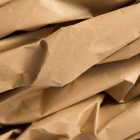
Jewelry Display Cards
Art paper, coated paper, kraft paper, black card, textured paper and thick cardboard can support earring holes, necklace cuts or bracelet slots without bending too easily.
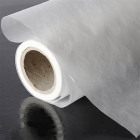
Jewelry Box Inserts
EVA foam, sponge, velvet-covered foam, microfiber-covered inserts, paperboard inserts and molded trays can protect jewelry and control the display angle inside the box.

Jewelry Paper Bags
White kraft, brown kraft, coated paper, art paper, textured paper and recycled paper can be matched with box or pouch color, handle type and logo finish.

Jewelry Packaging Sets
Boxes, pouches, cards, paper bags, ribbons and thank you cards do not need the same material, but they should feel consistent as one brand system.

Core Material Options
After the packaging type is confirmed, we compare the material itself. These are common material choices for custom jewelry packaging projects and how we usually evaluate them from a factory perspective.

Rigid Paperboard
A practical base for custom jewelry boxes, drawer boxes, magnetic boxes and packaging sets. It supports printed paper, foil stamping and consistent structure in bulk production.

Velvet
Often used for gift-ready ring boxes, bracelet boxes and pouches. It gives a soft premium feel, but color consistency and lint control should be checked during sampling.
Microfiber
Common for jewelry pouches and soft protective packaging. It has a clean surface for logo printing and works well for lightweight jewelry packaging.

PU Leather and Leatherette
Suitable for structured premium boxes and some pouch styles. It can support stamping or printing, but surface texture and logo method should be tested before bulk production.
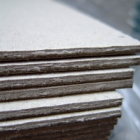
Material and Logo Finish Compatibility
Material choice affects how the logo can be applied. Paperboard usually supports foil stamping, printing and UV effects; microfiber and velvet are better for selected printing or labels; PU leather and leatherette can work well with stamping, debossing or screen printing after sample testing.

Foil Stamping on Paperboard
A common option for custom jewelry boxes, cards and bags when a clean metallic logo is needed.

Printing on Microfiber
Useful for lightweight pouches where a clean logo mark is needed without adding a separate label.
Stamping on Leatherette
Can create a premium logo effect on suitable PU or leatherette surfaces after confirming heat and pressure settings.
Printed Paper Finishes
Helpful for brand colors, patterns and packaging sets that need stronger visual consistency across boxes and bags.
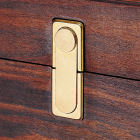
Fabric Labels and Tags
A practical branding option for pouches or softer packaging where direct stamping is limited.
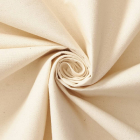
Kraft and Recycled Paper
Useful for natural brand direction, paper bags, cards and paper-based packaging sets when available for the project.

Satin and Soft Linings
Often used inside boxes or pouches to create a smoother gift-ready presentation.
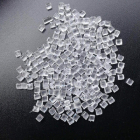
Foam and Covered Inserts
Chosen according to jewelry shape, surface protection, display angle and packing method.
Choose Materials by Brand Positioning
Natural or Eco-Conscious Direction
Lightweight E-commerce Packaging
Retail and Gift-Ready Sets
Ask About Material Options
Share your packaging type, jewelry size, logo method, quantity range and reference style. Our team can recommend suitable materials before sample development.
Jewelry Packaging Materials FAQ
Material choice affects appearance, cost, logo effect, protection and production stability. These questions help buyers compare options before sampling.
For a specific recommendation, send your packaging type, jewelry size, target quantity, logo method and reference images. Packgenio can suggest materials for boxes, pouches, cards, inserts, paper bags or complete packaging sets.
Common options include rigid paperboard, art paper, kraft paper, velvet, microfiber, suede-touch fabric, satin, cotton canvas, linen, PU leather, leatherette finishes, EVA foam and covered inserts.
Rigid paperboard is practical for many custom box projects because it supports structure, printing and consistent bulk production. Velvet, leatherette and specialty paper can add a more premium feel depending on the brand position.
Microfiber is clean and flexible for branded pouches, velvet gives a softer gift-ready feel, and cotton or linen can support a more natural brand direction. The best choice depends on handfeel, logo method and jewelry protection.
Yes. Depending on packaging type and order quantity, we can discuss kraft paper, recycled paper options, reusable packaging structures, cotton canvas and FSC paper options when available.
Paperboard and coated paper usually support foil stamping, printing and UV effects well. PU leather and leatherette can support stamping or debossing after testing. Microfiber and velvet may require selected printing methods, labels or tags.
Start with the main packaging item, then coordinate the pouch, card, insert, paper bag and accessories around color, texture, logo finish and packing method. The materials do not need to be identical, but they should feel like one brand system.
Yes. Material swatches, sample boxes, pouch samples or logo proofs can help confirm color, texture, handfeel, logo effect, insert fit and packing details before bulk production.
Yes. Special materials, custom colors, special logo finishes, molded inserts and uncommon structures may affect MOQ, sample time and bulk lead time. Standard materials and structures are usually more flexible.